

Table of Contents
Key Takeaways
- Bail bonds provide defendants a legitimate path toward temporary release from custody as they await trial, minimizing disruption to their work, family life, and responsibilities.
- The bail process involves several systematic steps, such as arrest, booking, a bail hearing to set bail, and ultimately, posting bail for release.
- Defendants and co-signers both play critical roles and face specific responsibilities and possible risks when utilizing a bail bond.
Introduction
When someone is arrested and held in custody, securing their release quickly becomes a priority for the individual and their loved ones. For many, the experience of a sudden arrest is confusing and frightening, setting off a race to understand what options exist to regain freedom and protect their rights. The mechanics of bail bonds are not always straightforward, yet they form a crucial lifeline during this process. Working with a reputable bail bond agency can make all the difference, especially if the bail amount is more than you can afford to pay in cash at short notice. Having experts to rely on ensures that you move through the legal system efficiently and do so with dignity and knowledge.
This comprehensive guide aims to demystify how bail bonds function within the larger framework of the court process. Whether helping out a family member or navigating charges yourself, understanding each phase—from the initial arrest to final release—can reduce anxiety and empower you to make clear-headed, confident decisions. The proper knowledge is soothing and can also mean the difference between a traumatic legal ordeal and a managed, orderly response.
Arrest and Booking
The bail bond process begins with an arrest, during which law enforcement detains a person suspected of committing a crime and transports them to a holding facility. Once in custody, the individual undergoes a formal booking procedure—an essential step marking their official entry into the criminal justice system. This includes recording personal details like name, address, and date of birth, documenting the alleged offense, and capturing fingerprints and a mugshot. Authorities also perform a background check to identify any outstanding warrants or prior convictions. Depending on the facility’s workload and size, this stage can take anywhere from a few hours to nearly a full day. Once booking is complete, the individual may become eligible for a bail hearing. At this point, a Bail Bond Company can assist with release, offering financial support and guidance to help navigate the following stages of the legal process while ensuring the accused meets all court obligations.
Why the Booking Stage Matters
The accuracy and timeliness of the booking process play a decisive role in what comes next for the accused. Not only does it establish the foundation for the defendant’s official legal record, but any delays or errors can directly hinder the speed with which they can move toward a bail hearing and eventual release. A thorough and timely booking process minimizes the risk of mistaken identity and helps ensure that the legal system respects the rights of the accused from the very start.
Bail Hearing and Setting Bail
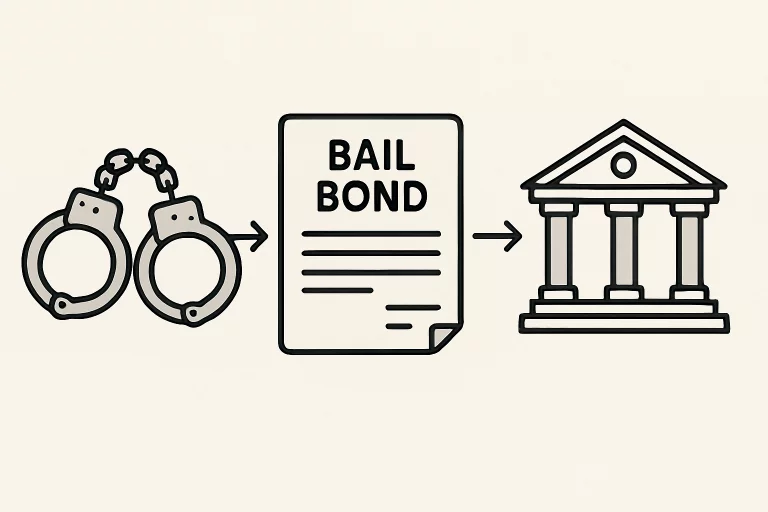
After the booking is completed, the accused is scheduled for a bail hearing, often called the arraignment. During this hearing, a judge listens to the case details and evaluates whether the accused should be allowed pretrial release, and if so, at what cost. Factors such as the seriousness and nature of the alleged offense, whether violence or a threat to public safety is involved, and the defendant’s history all influence the judge’s decision. The court also weighs the likelihood that the accused will return for future proceedings as promised. In some instances—especially with more severe crimes or if the defendant is considered a flight risk—the judge may deny bail entirely, resulting in the individual remaining in custody until the case is resolved.
Bail Determination Factors
- Severity of Offense: The more serious or violent the charge, the higher the bail amount is likely to be, with some offenses potentially rendering the accused ineligible for bail.
- Flight Risk: Judges gauge whether the accused will likely attempt to evade trial, considering factors like travel history or lack of stable living conditions.
- Criminal History: Repeat or habitual offenders face higher scrutiny, and a record of previous missed court dates or outstanding warrants may work against the accused.
- Community Ties: Stable employment, family connections, and community involvement often encourage a judge to set more reasonable bail terms, as these anchors assure that the defendant will stay in the area and comply with court requirements.
Contacting a Bail Bond Agent
For many families, the judge’s cash amount is simply unattainable on short notice. This is precisely when a licensed bail bond agency becomes essential. By charging a non-refundable fee, usually around 10% of the full bail amount, agencies provide a way for defendants to secure release without paying the full sum themselves. Some agencies, particularly with higher bail amounts, may also require collateral—such as a deed to a home, vehicle title, or other valuable assets—to further guarantee the defendant’s compliance and appearance in court. The bail bond agent then assumes responsibility for the entire bail sum, ensuring the court that the defendant will meet every obligation required for pretrial release. Reputable agencies offer guidance and support throughout this complex process, making them critical allies during difficult times.
Choosing a Bail Bond Agent
Choosing the right bail bond agent requires careful consideration. Not all agencies operate with the same level of professionalism, transparency, or efficiency. If possible, begin by verifying proper licensing and checking reviews or testimonials from previous clients. Be sure to ask about the total cost, including fees and collateral terms, and clarify what ongoing support or case follow-up the agency will provide. A trustworthy agent will walk you through every detail, answer your questions, and treat you respectfully, ensuring no hidden surprises. Always prioritize clear, open communication and proven experience in your area.
Posting Bail and Release
Once the bail bond agent is compensated and any required collateral has been provided, they will post the bond directly with the court. This legal assurance compels the defendant to fulfill all forthcoming court obligations. After the bail has been accepted and processed by the jail or detention facility, the administrative procedures to release the individual begin. While the time frame for actual release varies—often dictated by staffing levels, paperwork, and system capacity—most individuals are freed within a few hours. The sense of relief is tremendous, yet it comes with clear and non-negotiable expectations for compliance.
Release Conditions
Upon release, the defendant enters a probation-like phase where adherence to all court-imposed conditions is critical. These stipulations may include limited travel, regular check-ins with pretrial officers, attending substance abuse programs, or staying away from alleged victims or specific locations relevant to the case. Any breach of these conditions can trigger an immediate re-arrest and may lead to a complete forfeiture of bail. The accused must communicate clearly with their bail bond agent and legal counsel to ensure complete understanding and compliance with all terms.
Court Appearances and Compliance
Freedom secured through bail comes with one of the most critical legal responsibilities: attending every court hearing. Missing any court date, sometimes called “jumping bail,” brings severe and far-reaching consequences. Failing to appear results in the forfeiture of the posted bail bond (causing financial loss for the agency and any co-signers) and the issuance of a bench warrant for immediate re-arrest. Future opportunities for bail may be jeopardized, and the accused may even face additional criminal charges for failing to comply with required proceedings. If a co-signer is involved, they too are at risk—collateral submitted may be forfeited, and they could face significant financial burdens.
Consequences of Non-Compliance
- Bail Forfeiture: The bond agent and any co-signers lose property or assets pledged to secure the defendant’s release.
- Further Legal Trouble: Skipping court can result in new charges against the defendant, usually for contempt of court or bail jumping, leading to even harsher penalties.
- Financial and Emotional Strain: Loved ones who pledged collateral or guaranteed the bail bond may lose their valuable assets, creating long-term consequences for families already under financial or emotional pressure.
Conclusion
Navigating the bail bond process is a complex journey through interconnected stages, each carrying legal and personal demands. By learning about what’s involved—starting with the initial arrest and booking, being diligent about contacting an experienced bail bond agency, posting bail correctly, and above all, complying with every court requirement—defendants and families empower themselves to make wise, timely decisions. For the most efficient and compassionate guidance available, trust in reliable agencies that treat every case with care and professionalism. The proper support can turn overwhelming obstacles into manageable milestones in challenging moments.