

Buying a new car is a significant financial decision, requiring careful consideration of technology, price, and model options. Smart shoppers understand the importance of preparation, including understanding driving needs, researching reliability, comparing financing options, and evaluating ownership costs. With the proper knowledge before visiting a dealership, shoppers can shop confidently and secure a vehicle that aligns with their lifestyle and financial goals, ensuring long-term satisfaction.
Table of Contents
Setting a Budget
Before you start browsing for new vehicles or planning your first dealership visit, it’s essential to determine your financial limits. A budget should factor in more than just the car’s sticker price—it must also accommodate insurance, taxes, registration fees, future maintenance, and repairs. By being realistic and thorough, you’ll safeguard yourself against unwelcome surprises that can arise during ownership. Whether seeking affordable commuter cars or fully loaded SUVs, setting your budget early keeps your shopping experience focused and stress-free. For a look at a selection of new vehicles that may fit your needs, learn more. Tools such as payment calculators, available on many automotive sites, can help estimate monthly costs accurately. Consulting your credit report and financial statements also ensures you’re prepared to negotiate the best loan terms. Experts recommend that your monthly car expenses remain under 15% of your monthly take-home pay for long-term peace of mind.
Researching Vehicle Types
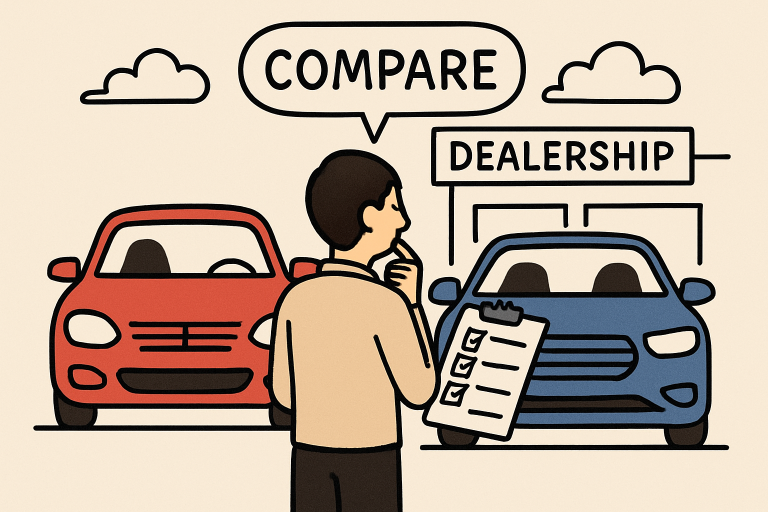
Today’s automotive landscape includes a range of vehicles from compact electric cars to SUVs, sedans, and trucks. Your choice depends on your needs, environment, and preferences. Urban drivers may prefer small, fuel-efficient vehicles suitable for tight parking, while families need more space. Use comparison guides and reviews to evaluate models. Creating a feature wish list—covering driver-assist systems, cargo, and infotainment—helps during research, enabling clearer expectations and objective comparisons before visiting dealerships.
A key decision is whether to buy or lease. Leasing offers lower payments, fewer upfront costs, and switching options but has mileage limits and wear fees. Buying provides full ownership, unlimited miles, and customization. Consider your lifestyle: long-distance commutes or long-term ownership might favor buying, which is often more economical. Leasing could be better if you prefer the latest features and drive less.
Safety and Technology Considerations
Safety is crucial when choosing a car. Features like adaptive cruise control, collision warnings, blind-spot monitoring, and emergency braking are more common. Check crash ratings from groups like the IIHS for safety insights. When evaluating tech, look beyond sales pitches; consider dashboard ease, touchscreen usability, and connectivity. Some brands offer sleek, simple systems, while others are complex. Feedback from friends or online forums can help you find a safe and comfortable vehicle.
Evaluating Fuel Efficiency
With fluctuating gas prices and environmental concerns, fuel efficiency is key for buyers. Check EPA mileage ratings for city and highway, and research how the car performs for similar commutes. Hybrids and electric vehicles help reduce fuel stops, but gas engines now offer better economy than earlier generations. Considering fuel economy can lead to significant savings over time.
Timing Your Purchase
Not all times to buy a car are equal—savvy shoppers know that end-of-month or end-of-year deals can lead to significant discounts. Dealerships often push to meet sales quotas during these windows, which could give you leverage when negotiating. Equally, the period when next year’s models arrive tends to offer bargains as dealers clear out existing inventory. Being flexible on color or optional extras can help you secure an even better price.
Monitoring seasonal promotions and local advertising can reveal additional savings opportunities, while patience allows you to time your purchase to align with the best offers available.
Test-Driving Tips
Test driving is the best way to see if a vehicle meets your needs. Try to simulate your usual driving—highway, city traffic, tight parking. Focus on handling, comfort, noise, and control accessibility. Check visibility, ergonomics, and how easy it is to connect your phone or use the infotainment. Don’t hesitate to take more time, try different trims and engines, ask about unclear features, and compare your impressions with your research to verify your priorities.
Finalizing the Deal
Once you’ve narrowed your choice, the final step is negotiating the purchase or lease. Carefully review the contract to ensure all costs—taxes, registration, dealer fees—are in the “out-the-door” price. Consider add-ons like warranties, maintenance, or aftermarket features, and ask for clarification if anything is confusing. Remember, you can walk away if dissatisfied. Being prepared, asking questions, and negotiating confidently help you get a car that fits your budget.