
Table of Contents
Key Takeaways
- Northern Virginia’s seasonal climate demands year-round pest vigilance with tailored strategies for each season.
- Localized prevention and regular inspections greatly reduce the risk of infestations specific to this region.
- Community awareness and ongoing education are essential for maintaining pest-free homes in neighborhoods across the area.
Northern Virginia offers a dynamic blend of suburban comfort and natural beauty, but its changing seasons pose unique pest control challenges for homeowners. The region’s climate features distinctive seasonal shifts, which means household pests can thrive in different ways all year. Staying ahead of these threats requires a proactive approach throughout the year. For expert insights tailored to the local community, Green Pest Services offers valuable guidance for maintaining a pest-free home in Northern Virginia.
This strategic region, known for its humid summers, mild falls, and wet springs, creates an ideal environment for pests such as ants, mosquitoes, and rodents to invade at various times. Understanding local pest behavior and adopting region-specific prevention strategies is crucial for long-term success. Whether your property backs up to a patch of woods or you live in a close-knit suburban neighborhood, Northern Virginians face unique pest pressures. Early detection and seasonally appropriate responses can keep infestations from taking hold and preserve the comfort of your home year-round. Maintaining your property’s value and your family’s peace of mind requires a focus on seasonal vigilance and ongoing maintenance, especially in places with Northern Virginia’s diverse habitats. These efforts not only reduce costly repairs but also help protect health and well-being for all household members.
Spring: Awakening Pests in Northern Virginia
As temperatures warm in March and April, pests like ants, termites, and mosquitoes rapidly emerge from winter dormancy. Northern Virginia’s frequent spring showers create ideal conditions for standing water, which can quickly become mosquito breeding grounds. Meanwhile, termites swarm and search for new nesting sites, making spring inspections crucial for early detection.
- Seal Entry Points: Carefully examine your home’s foundation, windows, and doors. Seal even the smallest cracks since local ant colonies can exploit any weakness to enter residences in search of food.
- Eliminate Standing Water: Empty unused flower pots, birdbaths, and clogged gutters. Mosquitoes are especially active in Northern Virginia neighborhoods surrounded by creeks and forested areas.
- Maintain Landscaping: Regularly trim shrubs and trees, and keep mulch away from your foundation. Overgrown vegetation near homes in wooded communities can harbor termite colonies and facilitate pest migration.
Summer: Peak Activity and Aggressive Invaders
Summer’s warmth brings a surge in pest populations across Northern Virginia. Homeowners often contend with flies, stinging insects such as wasps and hornets, and rodents that thrive in suburban landscapes. Outdoor gatherings, picnics, and barbeques are frequently disrupted by these pests looking for food and nesting sites.
- Proper Food Storage: Always store food in sealed containers, particularly after cookouts, to avoid attracting flies and ants. Promptly clean up spills inside and outside your home.
- Screen Windows and Doors: Inspect screens on all windows and doors. Repair or replace any damaged items to keep mosquitoes and wasps outside where they belong, especially since these pests are commonly found near rivers and parks in the area.
- Outdoor Maintenance: Regularly mow the lawn, remove yard debris, and trim overhanging branches. This reduces the appeal of your property to rodents and makes nests for stinging insects less accessible.
Fall: Cold Weather Pushes Pests Indoors
As crisp breezes return, rodents, spiders, and other pests seek warmth and food inside homes. In towns throughout Fairfax, Loudoun, and Arlington counties, residents report a spike in mouse and spider activity during late September and October.
- Inspect and Repair: Survey your home for gaps around vents, chimneys, and utility lines, and address these vulnerabilities promptly. Mice can squeeze through holes the size of a dime and will exploit weaknesses to build nests indoors as temperatures drop.
- Store Firewood Properly: Stack firewood at least 20 feet away from your home’s exterior and elevate it off the ground. Wood piles attract pests such as ants and rodents, which can eventually migrate indoors.
- Declutter: Clear out excess cardboard, bags, and unused items in basements, attics, and garages. This minimizes attractive nesting sites for both rodents and spiders, helping limit fall infestation risks.
Winter: Focused Prevention for Persistent Threats
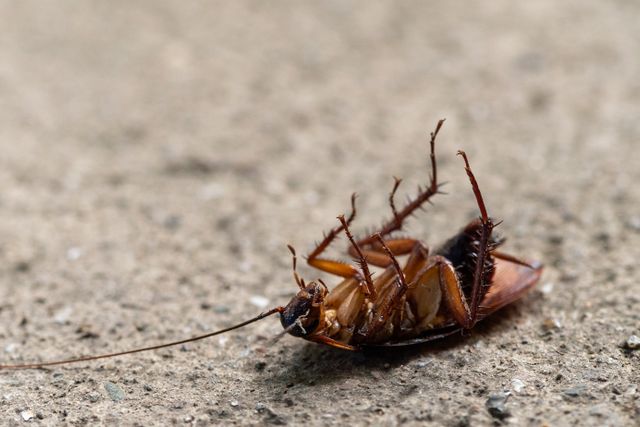
While winter in Northern Virginia brings relief from mosquitoes and some insects, a subset of pests, such as cockroaches and indoor rodents, remains active. Rodent infestations can go unnoticed in attics and crawl spaces until spring, making winter vigilance vital.
- Regular Cleaning: Continue routine cleaning, particularly in kitchens and garages, to eliminate food sources. Crumbs and pet food are top attractants for rodents seeking refuge from the cold.
- Monitor for Activity: Look for subtle indicators such as droppings, gnaw marks, or nest materials behind appliances and in less-used rooms. Set proactive traps if early signs appear.
- Professional Inspection: Schedule a local pest control assessment before peak season. Trained technicians understand how regional pests behave and can recommend tailored treatments for long-term prevention.
Year-Round Strategies to Maintain a Pest-Free Home
There is no substitute for ongoing prevention in neighborhoods from Alexandria to Reston. Consistent effort, education, and home maintenance by a handyman build the most formidable barrier against pests in Northern Virginia’s unique environment.
- Regular Inspections: Mark your calendar for seasonal checks and stay alert to pest warning signs, particularly during weather transitions.
- Maintain Cleanliness: Adopt a zero-tolerance routine for crumbs and unwashed dishes, especially in family and pet-friendly homes.
- Educate Household Members: Talk with everyone in the house about proper food storage, the importance of sealing trash, and pest prevention routines. Involving children helps form long-term protective habits.
Conclusion
With proactive, region-specific strategies throughout the year, Northern Virginia homeowners can enjoy the natural beauty and comfort their communities offer, while avoiding the headaches seasonal pests bring. Year-round vigilance and targeted prevention are essential to safeguarding both property and peace of mind. Consistently applying preventive measures, such as sealing gaps, managing outdoor spaces, and maintaining proper sanitation, helps reduce the risk of recurring infestations. Staying attentive to early warning signs also allows homeowners to address issues before they escalate into more serious problems. By combining routine maintenance with seasonal awareness, it becomes easier to create a stable, pest-resistant environment. When necessary, seeking professional support ensures more complex infestations are handled effectively, offering long-term protection and confidence in your home’s safety and comfort throughout every season.